
Cardiac Rhythm Technology

Heart Pacemaker

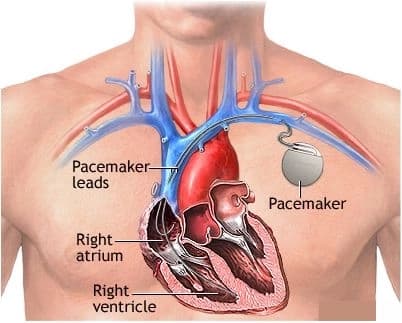
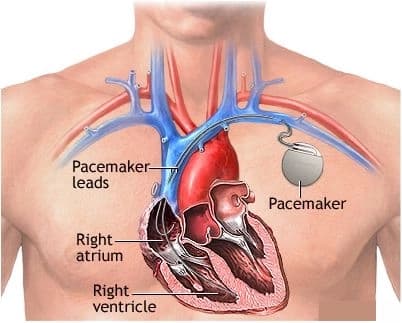
A pacemaker is a compact medical device implanted in the chest or abdomen to regulate abnormal heart rhythms. It delivers controlled electrical impulses that maintain a stable and natural heartbeat, helping patients affected by arrhythmias live safely and normally.

Clinical Applications

  • Sinus Node Dysfunction — improper firing of the sinoatrial node affecting heart contraction.
  • Conduction Blocks — bifascicular, trifascicular, and third-degree AV block conditions.
  • Stokes–Adams Attack — interruption between SA and AV node electrical conduction.
Heart Pacemaker Device

Types of Cardiac Pacing

Transcutaneous Pacing

Transcutaneous Pacing

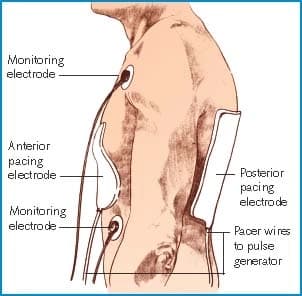
Transcutaneous pacing (TCP), also called external pacing, is used for initial stabilization of hemodynamically significant bradycardia. Two pacing pads are placed on the chest while the rescuer selects pacing rate and increases current until electrical capture is achieved. It is an emergency bridge therapy and should not be relied upon for long-term use.
Transvenous Pacing

Transvenous Pacing

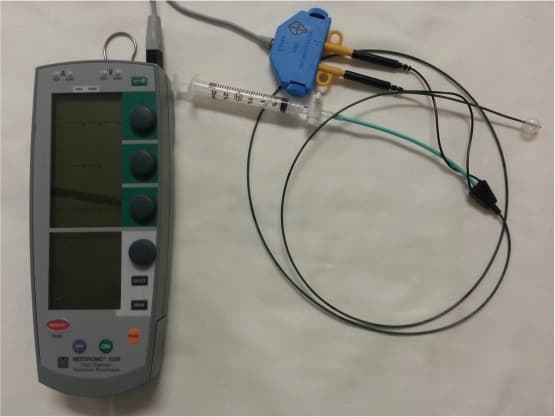
Transvenous pacing is temporary internal pacing where a wire is inserted via a central venous catheter into the right atrium or ventricle. The wire connects to an external pacemaker generator. It is commonly used as a bridge before permanent pacemaker implantation or when temporary pacing is sufficient.

Permanent Pacemakers

Permanent Pacemakers

Permanent pacing involves implanting pacing wires inside heart chambers connected to a sealed pacemaker generator placed beneath the chest skin. Modern pacemakers monitor natural electrical rhythm and stimulate the heart only when required. Titanium casing prevents immune rejection and ensures long-term biocompatibility.

Advancements in Pacemaker Function

Early pacemakers controlled only ventricular rhythm. Advances in microprocessor technology introduced intelligent sensing, adaptive pacing, and multi-chamber coordination, significantly improving cardiac efficiency and patient outcomes.

Pacemaker advancements

Modern pacemakers use embedded computing systems to monitor the heart’s electrical activity continuously. These systems respond intelligently when natural rhythm becomes irregular, delivering stimulation only when required while preserving natural cardiac function.

Dual-Chamber Pacemakers

Modern pacemakers coordinate both atrial and ventricular contractions. Synchronizing these chambers improves pumping efficiency and benefits patients with congestive heart failure.

Rate-Responsive Pacing

Sensors detect patient activity and dynamically adjust pacing rate using adaptive algorithms, maintaining physiological heart rhythm during rest and exercise.

Left Ventricular Pacing

Additional pacing leads stimulate the left ventricle to achieve more natural electrical activation and improve symptoms in severe heart failure.