Introduction
Varicose veins are a common condition that can be painful and unsightly, affecting millions of people around the world. While they are often visible on the surface of the skin, the discomfort they cause—heaviness, aching, swelling—can significantly affect daily quality of life.
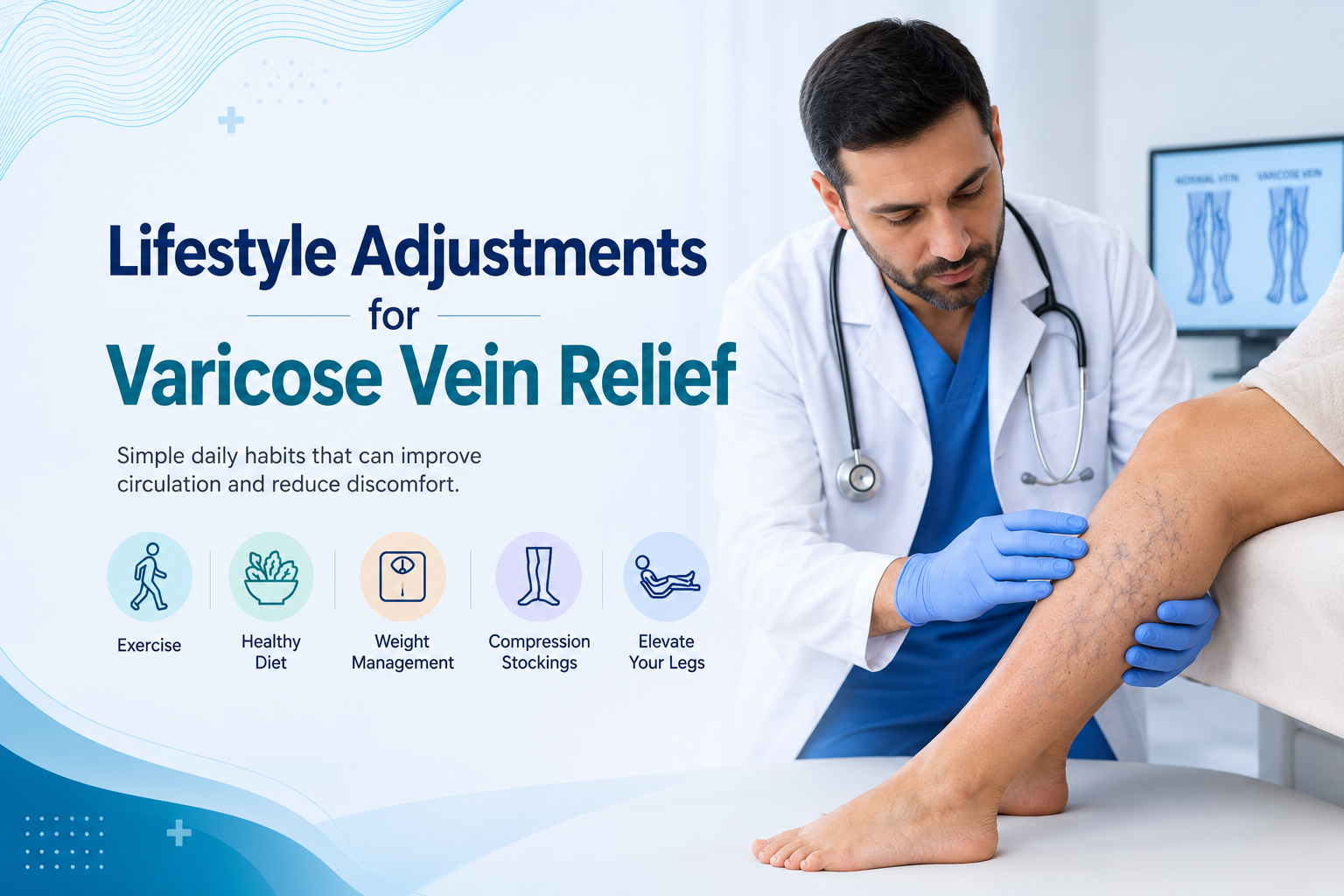
While medical treatments are available and highly effective, lifestyle adjustments can also play a meaningful role in relieving symptoms and improving circulation in the legs. In this article, Dr Shoaib Padaria, one of India's leading Vein Specialists and Past President of the Venous Association of India, explores practical lifestyle adjustments for varicose vein relief, including exercise, diet, weight management, compression therapy, and simple daily habits.
Why Lifestyle Matters in Vein Health
Varicose veins develop when the valves inside the veins weaken, allowing blood to pool instead of flowing efficiently back to the heart. While genetics and age play a major role in this process, everyday habits—how much you move, what you eat, how much weight you carry, and how you position your legs during rest—can either ease the pressure on your veins or make symptoms worse.
Lifestyle changes won't reverse existing varicose veins, but they can meaningfully reduce discomfort, slow disease progression, and support recovery alongside medical treatment. For many patients, these adjustments are the first and most sustainable line of defense.
Exercise
Regular exercise is one of the best ways to improve circulation in the legs and reduce the risk of varicose veins. Low-impact exercises like walking, swimming, and cycling are great options for people with varicose veins, as they engage the calf muscles without placing excessive strain on the legs.
These exercises help improve blood flow in the legs and reduce swelling by activating the "calf muscle pump"—the natural mechanism that helps push blood upward against gravity. Swimming is particularly beneficial, as the water pressure itself offers a mild compression effect while keeping the joints low-impact.
However, it's important to avoid high-impact exercises like running, as they can put too much pressure on the legs and may aggravate existing varicose veins. If you're unsure which exercises are safe for your specific condition, it's worth discussing an exercise plan with your vein specialist before starting a new routine.
Diet
Maintaining a healthy diet is also important for reducing the risk of varicose veins. Eating a diet that is rich in fruits, vegetables, lean proteins, and whole grains can help you maintain a healthy weight and reduce your risk of developing new varicose veins over time.
Fiber-rich foods are especially beneficial, as they help prevent constipation—straining during bowel movements increases pressure in the abdominal and pelvic veins, which can indirectly worsen leg vein pressure as well. Foods rich in flavonoids, such as berries, citrus fruits, and leafy greens, are also believed to support vein wall strength and circulation.
In addition, it's important to avoid foods that are high in salt, as salt can cause your body to retain water and increase swelling. Reducing processed and packaged foods, which tend to be high in sodium, can noticeably ease the heaviness and puffiness many people experience in their legs by the end of the day.
Weight Management
Maintaining a healthy weight is also important for reducing the risk of varicose veins. Excess weight puts extra pressure on the veins in the legs, which can cause damage to the vein valves and lead to varicose veins or worsen existing ones.
Therefore, it's important to manage your weight through a combination of regular exercise and a healthy, balanced diet. Even modest, sustainable weight loss can meaningfully reduce the pressure placed on the venous system in the legs, easing symptoms like aching and swelling.
Compression Stockings
Compression stockings are a type of tight-fitting hosiery that help improve circulation in the legs. They work by applying graduated pressure to the legs—tightest at the ankle and gradually looser further up—which helps to reduce swelling and prevent blood from pooling in the veins.
Compression stockings are available in different compression levels, so it's important to talk to a healthcare provider to determine the best level for your condition. Wearing them consistently, especially during long periods of standing or sitting, can provide noticeable day-to-day relief from heaviness and fatigue.
Elevate Your Legs
Elevating your legs can also help improve circulation in the legs and reduce swelling. Try to elevate your legs above your heart for 15–20 minutes several times a day, particularly in the evening after prolonged periods of standing or sitting.
This simple habit uses gravity to assist venous return, helping improve blood flow in the legs and reduce pressure on the veins. It's an easy, cost-free addition to a daily routine that pairs well with exercise, compression therapy, and dietary changes.
When Lifestyle Changes Aren't Enough
While these lifestyle adjustments can meaningfully ease symptoms and slow progression, they cannot reverse veins that have already become significantly enlarged or twisted. If you continue to experience persistent pain, visible bulging veins, skin discoloration, or swelling despite these changes, it's a sign that medical evaluation is needed.
A vein specialist can assess the severity of your condition through a clinical exam and Doppler ultrasound, and recommend a suitable treatment such as laser therapy, radiofrequency ablation, foam sclerotherapy, or glue therapy, depending on the size and depth of the affected veins.
Newer minimally invasive options, including MOCA, microwave laser therapy, HIFU, and steam ablation, offer patients effective alternatives with minimal downtime, allowing lifestyle changes and medical treatment to work hand in hand.
Conclusion
Lifestyle adjustments—regular low-impact exercise, a balanced diet, healthy weight management, compression stockings, and daily leg elevation—can go a long way in relieving varicose vein symptoms and improving overall circulation. These habits are simple, sustainable, and complement medical treatment rather than replace it.
If your symptoms persist or worsen despite these changes, don't hesitate to consult a qualified vein specialist. With the right combination of lifestyle care and modern treatment options, lasting relief and healthier legs are well within reach.